6 Signs You Need Air Duct Cleaning
Learn the key signs that your air ducts may need cleaning, including visible mold, pests, excessive dust and debris, and musty odors. This guide also explains when duct cleaning may not be necessary, what a proper cleaning includes, and how Puget Sound homeowners can keep their ductwork cleaner longer.
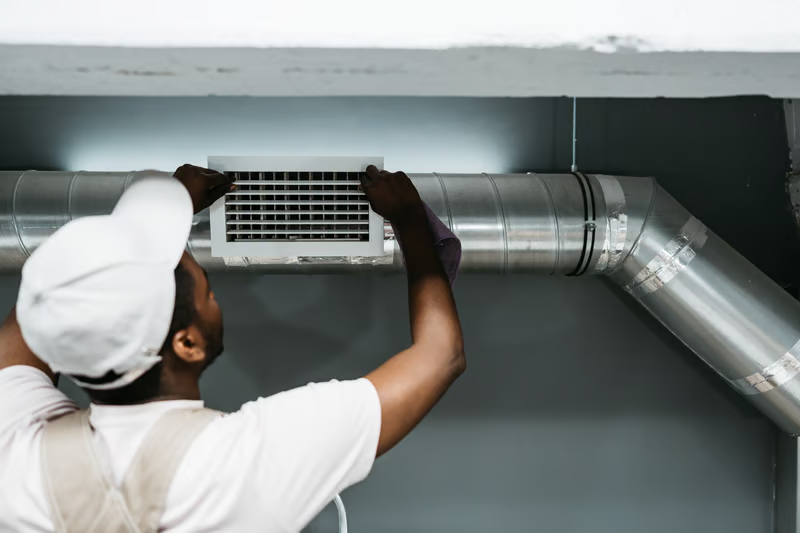
The clearest signs you need air duct cleaning are visible mold inside the ducts or on system parts, evidence of rodents or insects, and dust or debris blowing out of your supply vents. Those are the conditions EPA identifies. A musty smell or leftover renovation dust can also justify a look inside. A dusty return grille on its own usually doesn't.
How Do You Know If Your Air Ducts Need Cleaning?
You know your ducts need cleaning when there's a specific problem inside them, not just because time has passed. EPA recommends considering duct cleaning in three situations[5]:
- Substantial visible mold inside hard (sheet metal) ducts or on other parts of the heating and cooling system
- Vermin, such as rodents or insects, living in the ductwork
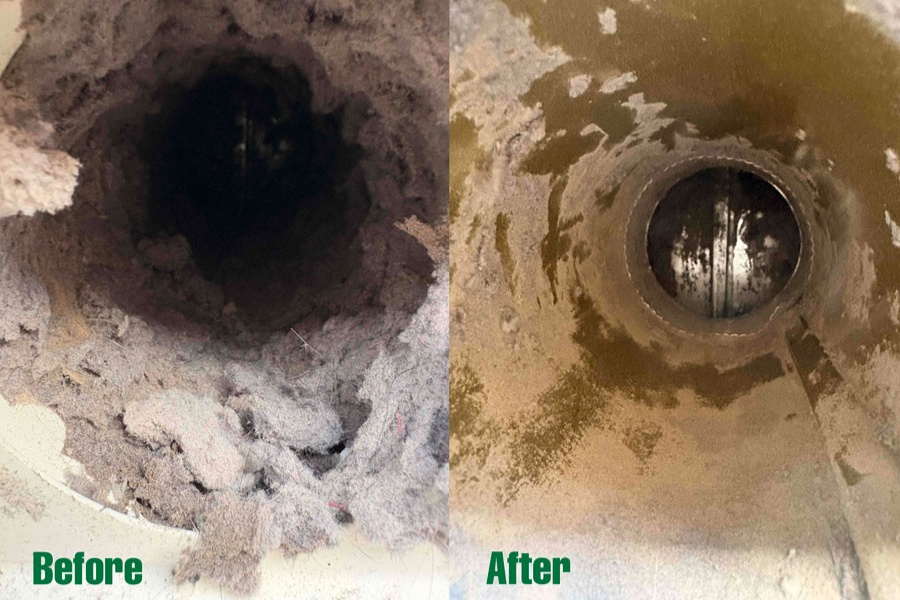
- Excessive dust and debris clogging the ducts, or particles actually blowing into rooms from the supply registers
EPA does not recommend routine duct cleaning on a fixed schedule. It recommends cleaning when one of these conditions exists. That's a useful standard, because it means the decision should start with what's actually in your ducts.
What Are the Warning Signs You Can Spot Yourself?
You can spot most warning signs without opening anything up. Watch for:
What you noticeWhat it may meanNext stepPuffs of dust from supply vents when the system startsDebris built up in the ductsHave the ducts looked atMusty or moldy smell when the heat or air runsMoisture and possible mold in ducts or the indoor unitHave the system checked, and find the moisture sourceDroppings, nesting material or scratching soundsRodents or insects in the ductworkPest control first, then duct cleaningHeavy dust or drywall debris after a remodelConstruction dust pulled into the returnsCleaning is often worth itVisible growth on registers, the coil or the blowerMold on system componentsProfessional evaluationNew dust on furniture soon after cleaningCould be ducts, but often filters, leaks or other sourcesCheck the filter first
A quick check you can do: take off a supply register cover (the vents that blow air into rooms) and shine a flashlight into the duct. Light dust is normal. Thick, matted debris, droppings or growth are not.
What Isn't a Sign You Need Duct Cleaning?
A dusty return grille is not, by itself, a sign your ducts need cleaning. Return grilles are the vents that pull air back to the system, and EPA notes it's normal for them to collect dust. Vacuum or wash the grille and move on.
Household dust in general is another common false alarm. EPA points out that cooking, cleaning, pets, outdoor air and simply moving around the house are often bigger sources of indoor particles than the ducts themselves. It also says duct cleaning has never been shown to prevent health problems. If dust is the complaint, a better filter and sealed duct leaks often do more than cleaning.
Why Do Puget Sound Homes Get Musty Ducts?
Moisture is the most common reason. Western Washington's damp fall and winter, combined with ductwork running through crawl spaces and basements in many older Seattle-area homes, can give mold the moisture it needs. A leaking duct joint in a damp crawl space can pull humid, musty air straight into the system.
Cleaning a moldy duct without fixing the moisture source only buys time. EPA is direct about this: if the conditions that caused the mold aren't corrected, it comes back. A good contractor looks for the cause, such as a disconnected duct, a clogged condensate drain, or crawl space moisture, before or alongside cleaning. EPA also notes that insulated ducts that get wet or moldy can't be cleaned effectively and should be replaced.
What Should a Proper Duct Cleaning Include?
A proper duct cleaning covers the whole system, not just the vents you can see. EPA advises that if you clean, the provider should clean all of the system's components, because a dirty part left behind can recontaminate everything else.
A thorough job typically includes:
- Putting the duct system under negative pressure with a high-powered vacuum, so loosened debris is pulled out instead of blown into the house
- Agitating debris loose in supply and return ducts with brushes or air tools
- Cleaning registers, grilles and the return plenum
- Cleaning the blower, the indoor coil and the drain pan, or confirming they're clean
- Replacing the filter
- Checking the ductwork for leaks and disconnected joints while it's open
Be cautious if someone recommends spraying chemical biocides or sealants inside your ducts. EPA says these treatments haven't been fully researched, and they should only be considered, if at all, after the system has been properly cleaned.
Does Duct Cleaning Improve Efficiency?
Cleaning the ducts alone does little for efficiency, but cleaning the system's components can help. EPA notes that little evidence shows duct-only cleaning improves efficiency, while cleaning coils, fans and heat exchangers may improve efficiency and extend equipment life. ENERGY STAR notes that airflow problems can reduce a system's efficiency by up to 15 percent.[9]
That's why component cleaning belongs in regular maintenance. A seasonal Deep Clean and Tune-Up, including pulling and cleaning the blower wheel, keeps the parts that move your air clean between duct cleanings. See what Ballard Heating, Cooling, Electric & Plumbing includes in furnace maintenance.
If your concern is energy loss rather than dirt, duct sealing is usually the bigger lever. Leaky ducts in a crawl space or attic can waste a meaningful share of the air your system heats or cools.
How Can You Keep Your Ducts Cleaner Longer?
You can slow buildup considerably with a few habits:
- Change or check the filter regularly, and upgrade to the highest rating your system can handle. Ballard Heating, Cooling, Electric & Plumbing's air filters page covers options.
- Seal off supply and return vents during remodeling, and run the system as little as possible while dust is in the air.
- Keep the crawl space dry and the condensate drain clear.
- Have leaks and disconnected ducts sealed.
- Tackle household dust at the source; Ballard Heating, Cooling, Electric & Plumbing's guide on how to eliminate dust in your home has more ideas.
Frequently Asked Questions
How often should air ducts be cleaned?
Air ducts should be cleaned when there's a reason to, not on a fixed schedule. EPA recommends cleaning only when there's substantial mold, vermin or excessive debris. Homes with pets, recent remodels or allergy concerns may find those conditions sooner.
Is air duct cleaning worth it?
Air duct cleaning is worth it when your ducts have mold, pests, or heavy debris blowing into rooms. If a look inside shows only light dust and no one in the home has unexplained allergy symptoms, EPA says cleaning is probably unnecessary.
Can dirty air ducts make you sick?
Dirty ducts alone haven't been shown to cause health problems, according to EPA. Mold or pest contamination inside the system is different. It can release allergens into the home, and it should be addressed.
How long does air duct cleaning take?
A typical home usually takes several hours, depending on its size, the number of duct runs and how much buildup there is. Homes with multiple systems or heavy contamination take longer.
Should I clean my ducts after a remodel?
Often, yes. Drywall dust and sawdust pulled into the returns during a remodel can coat the ducts and the blower. Covering vents and changing the filter during and after construction helps, and a cleaning afterward clears what got through.
Find Out What's Really in Your Ducts
If you're seeing dust blow from your vents, smelling something musty, or suspect pests, Ballard Heating, Cooling, Electric & Plumbing's technicians can look inside your ductwork and tell you honestly whether cleaning will help. Learn about Ballard's duct cleaning service or request a visit online.

Financing options available
Flexible financing options for home upgrades.