
Heat Pump Installation in Seattle, WA
Ballard's Heat Pump Installation service includes selecting, sizing, and installing a heating and cooling system suited to your home. Whether you're replacing older equipment or converting from a furnace, our NATE-certified team evaluates ductwork, electrical capacity, and comfort needs before recommending equipment. You'll receive an upfront written proposal.
Why Choose Ballard for Your Heat Pump Upgrade?
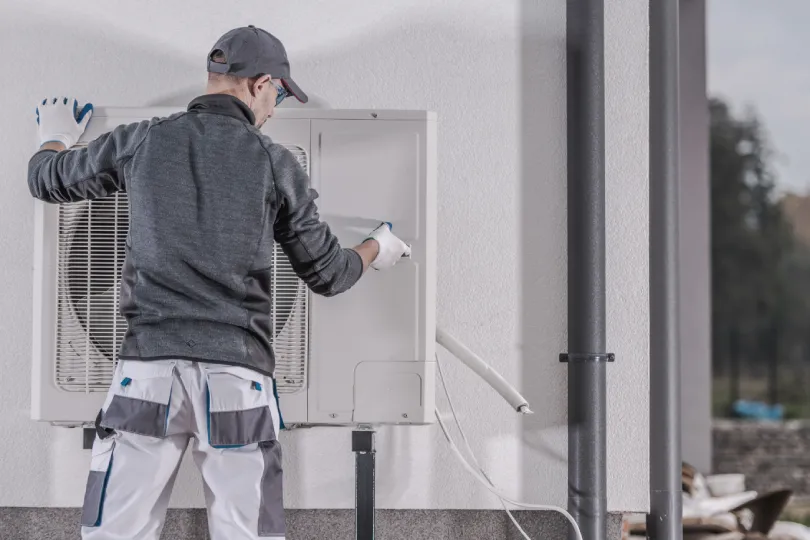
Ballard Heating, Cooling, Electric & Plumbing has served Puget Sound homeowners since 1993. Our NATE-certified expertise, Mitsubishi Diamond Elite Contractor status, and Trane Comfort Specialist recognition support our experience with equipment selection and installation.
We also provide electrical services, helping coordinate projects that require circuit changes or panel upgrades.
We offer detailed written proposals and a Price Lock Guarantee.


Which Heat Pump Setup Fits Your Home?
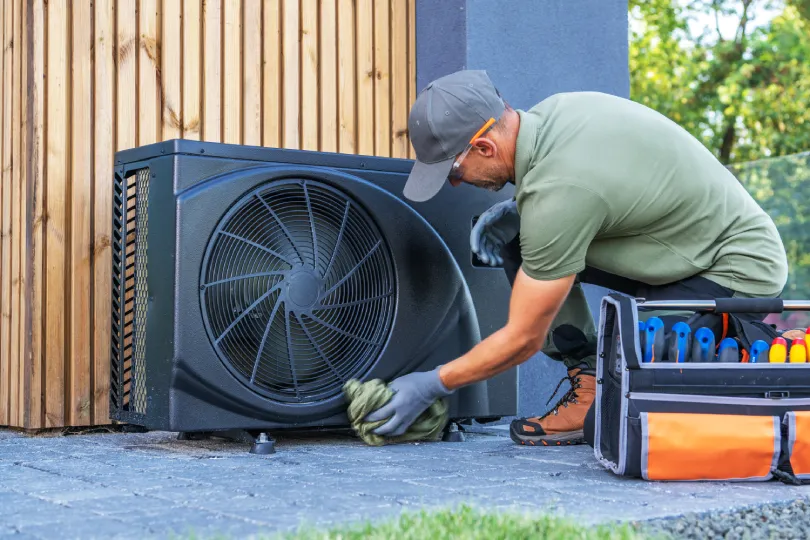
The right configuration depends on existing equipment, ductwork, home layout, and heating needs.
Ducted Heat Pumps for Whole-Home Heating and Cooling
A ducted heat pump uses existing or new ductwork to distribute conditioned air. It can be a practical choice for homes with compatible forced-air systems.
Ductwork may still need adjustments to support the airflow requirements of the new equipment.
Dual-Fuel Systems With Furnace Backup
Dual-fuel heat pump installation combines an electric heat pump with a compatible gas furnace. System controls determine when to use each heating source based on operating conditions and configuration.
This option may suit homeowners who want electric heating while retaining gas heating capability.
Ductless Options
Ductless heat pumps condition individual areas without conventional central ducts. They're useful for homes without suitable ductwork or with specific room-comfort needs.
Learn more about our Ductless Systems.
Frequently asked questions
Have Questions? We’ve Got Answers.
Explore our frequently asked questions to learn more about heating systems, common service needs, what to expect during your appointment, and how Ballard Heating, Cooling, Electric & Plumbing can help keep your home warm and comfortable.
Seattle has a noise ordinance, and not every heat pump on the market meets it. We install equipment that does, including Trane units quiet enough to be approved under it. If your lot is tight or the unit sits near a property line, tell us early and we will factor it into placement and selection.
Yes. We hold Washington contractor licenses BALLANG062QD and BASHAAP823QR, and our technicians are licensed professionals. We are also a Mitsubishi Diamond Elite Contractor, a Trane Comfort Specialist and a Lennox Premier Dealer, and a longstanding member of the Air Conditioning Contractors of America.
They work well here. Our winters are mild and wet rather than deeply cold, which is the climate heat pumps are most efficient in, and modern cold climate models keep working well below freezing. This region is one of the better places in the country for them, which is why installs have grown so quickly.
Yes. Ballard Heating, Cooling, Electric & Plumbing offers financing options to help you spread the cost of larger projects, such as a new heat pump, furnace, air conditioner, water heater, or electrical panel upgrade, into manageable monthly payments. Visit our Financing page to see current options, or call us at 206-784-8101 and our team will walk you through what's available for your project.
We quote upfront, before the work starts, so there is no surprise at the end. For larger jobs we put a detailed proposal together onsite and back it with our Price Lock Guarantee, which means the price we put in writing is the price you pay. Estimates are free.
Since 1993. We have been locally-led and operated that whole time, which is more than thirty years working on homes in this region. That matters more than it sounds: Puget Sound housing stock runs from 1920s bungalows to new construction, and the right answer for one is rarely the right answer for the other.
Often the same day. If you call before 1pm we can usually get a technician to you that day, and members of our 5 Star Maintenance Plan go to the front of the queue. Our vans are stocked, so most common repairs are finished on the first visit rather than waiting on a part.
It is our annual maintenance membership. Members get discounted annual maintenance, priority service, no overtime charges, a discounted diagnostic fee that is free at the Platinum level, an extended repair warranty, discounted water heater service, and a reminder when your maintenance is due. Members who call before 1pm can usually be seen the same day.
Federal tax credits and Washington utility rebates both commonly apply, and heat pumps usually attract the largest incentives of anything we install. What you qualify for depends on the equipment, your utility and the year, so we will confirm the current position for your specific install rather than quoting a figure that may have moved.
Compare equipment specifications, system capacity, efficiency, and the work included—not just the total price.
Review proposed ductwork or electrical changes, equipment placement, permits, manufacturer warranties, and labor coverage.
Two proposals may differ because they include different equipment or installation requirements. Ask each contractor to explain those differences before deciding.
A three year labor warranty on our work as standard, plus a Lifetime Workmanship Warranty. Manufacturer warranties on the equipment itself run separately and vary by brand and model. A Comfort Shield Extended Warranty is available if you want coverage beyond that, and we will explain what each one covers before you decide.
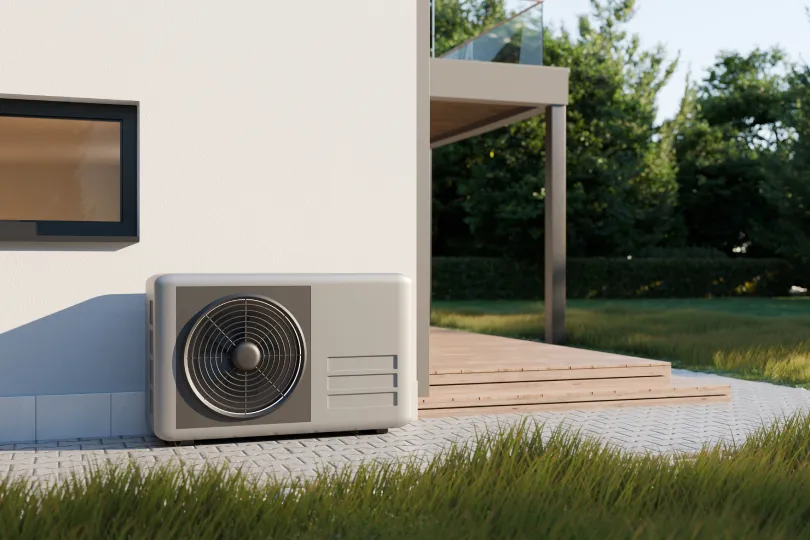
An outdoor heat pump needs sufficient airflow, proper drainage, service access, and manufacturer-required clearances.
Placement should also account for operating noise, nearby walkways, and areas where airflow might be obstructed.
Ballard reviews available space and equipment specifications before recommending a location. The chosen placement must also meet applicable requirements.
An air-source heat pump may temporarily enter a defrost cycle to remove frost from its outdoor coil during cold, damp weather.
Heating output may briefly decrease during this normal operating process. Some systems use supplemental heat to maintain comfort.
The frequency depends on outdoor conditions and equipment design. Persistent heavy ice buildup or failure to restore normal heating warrants professional service.
It can, and many of our installs do exactly that. Some homes keep the furnace as backup in a dual fuel setup, which switches to gas on the coldest days. Which makes sense depends on your ducting, your rates and how cold your particular site gets, and we work it through onsite.
You may need a compatible thermostat when switching from a furnace to a heat pump. Some conventional thermostats cannot control heat pump operation, supplemental heating, or dual-fuel configurations.
The correct controls depend on the selected equipment and system design. Ballard reviews thermostat compatibility during planning and explains the new controls after installation.
Heat pump installation may require mechanical or electrical permits depending on the equipment and work involved.
Electrical panel changes, new circuits, and significant system modifications can introduce additional requirements. Rules vary by jurisdiction and project scope.
Ask which permits, approvals, and required checks are included in your written proposal so responsibilities are clear before installation begins.
How Does Ballard Determine the Right System Size?
Heat pumps should be sized using your home's actual heating and cooling requirements, not square footage alone.
Our evaluation considers:
- Heating and cooling demand: Capacity needed under expected outdoor conditions.
- Insulation and air leakage: How quickly the home gains or loses heat.
- Ductwork: Whether existing ducts can deliver appropriate airflow.
- Equipment compatibility: Matching indoor and outdoor components.
- Electrical capacity: Whether your panel and circuits can support the system.
- Outdoor placement: Airflow clearances, drainage, and service access.
Oversized or undersized equipment can reduce comfort and efficient operation.
If additional electrical work is needed, Ballard can coordinate applicable Electrical Panel Upgrades.
What Happens During Installation?
A professional installation involves equipment planning, preparing the home, completing the connections, and testing performance.
1. Evaluate the home. We review heating and cooling needs, existing equipment, ductwork, and electrical capacity.
2. Plan the project. We explain equipment choices, placement, necessary modifications, and applicable permit requirements.
3. Install the equipment. Our team installs approved indoor and outdoor components and coordinates the required connections.
4. Start up and test. We verify heating, cooling, airflow, and control operation, then explain how to use the new system.
The work involved depends on your home's existing setup and selected equipment.
Will a Heat Pump Keep Your Home Warm in Winter?
Yes. A properly selected air-source heat pump can provide heating during Seattle's typically moderate winter conditions.
Modern cold-climate equipment is also designed to operate at temperatures below freezing. However, heating capacity varies by model and outdoor temperature.
Some homes can rely on a heat pump as the primary heating source. Others may benefit from a dual-fuel configuration or supplemental heat.
Ballard considers winter heating demand and equipment performance when recommending a system.
What Determines Heat Pump Installation Cost?
Installation costs depend on equipment selection and the changes needed to install it properly.
Key factors include:
- System capacity, efficiency, and equipment features
- Ducted or dual-fuel configuration
- Ductwork and electrical modifications
- Equipment placement and removal of existing systems
- Labor, materials, and applicable permits
A compatible equipment replacement may involve less work than converting from a furnace or modifying major electrical components.
Ballard provides an upfront written proposal. Our Home Service Financing options may help qualifying homeowners manage the expense, subject to approval and available terms.
Utility incentives may also be available for qualifying projects. Review Seattle City Light's heating and cooling guidance and confirm current eligibility before factoring an incentive into your budget.
When Is Heat Pump Replacement Worthwhile?
Replacement may make sense when an existing heat pump needs repeated repairs, has declining performance, or faces an expensive major-component failure.
Equipment age matters, but so do repair cost, overall condition, and expected future expenses. A repairable system may still offer useful service.
An updated system may provide improved controls, variable-speed operation, or better cold-weather performance. Ballard can explain those differences before you decide.
How Do Efficiency Ratings and Maintenance Affect Your Choice?
Heat pump efficiency ratings help compare equipment.
HSPF2 measures seasonal heating efficiency, while SEER2 measures seasonal cooling efficiency. Higher ratings indicate better tested efficiency, but actual energy use depends on home conditions, system sizing, and operation.
Our guide to heat pump efficiency explains the ratings in more detail.
After installation, Heat Pump Maintenance supports ongoing equipment care. Ballard's 5 Star Maintenance Plans offer recurring service and priority benefits.
Schedule Heat Pump Installation With Ballard
Whether you're replacing an older system or considering a switch from a furnace, Ballard can evaluate your home's needs and provide an upfront written proposal.
Learn more about our Seattle service area or contact us to discuss your project.