
Furnace Duct Repair: Comfort and Heating Costs
Cold rooms, weak airflow, and rising heating bills can have several causes, including damaged ductwork. This guide explains how furnace duct repair, sealing, insulation, and cleaning differ, what a professional evaluation can reveal, and which factors affect repair costs. Puget Sound homeowners will also learn why ductwork deserves attention when evaluating heating problems.
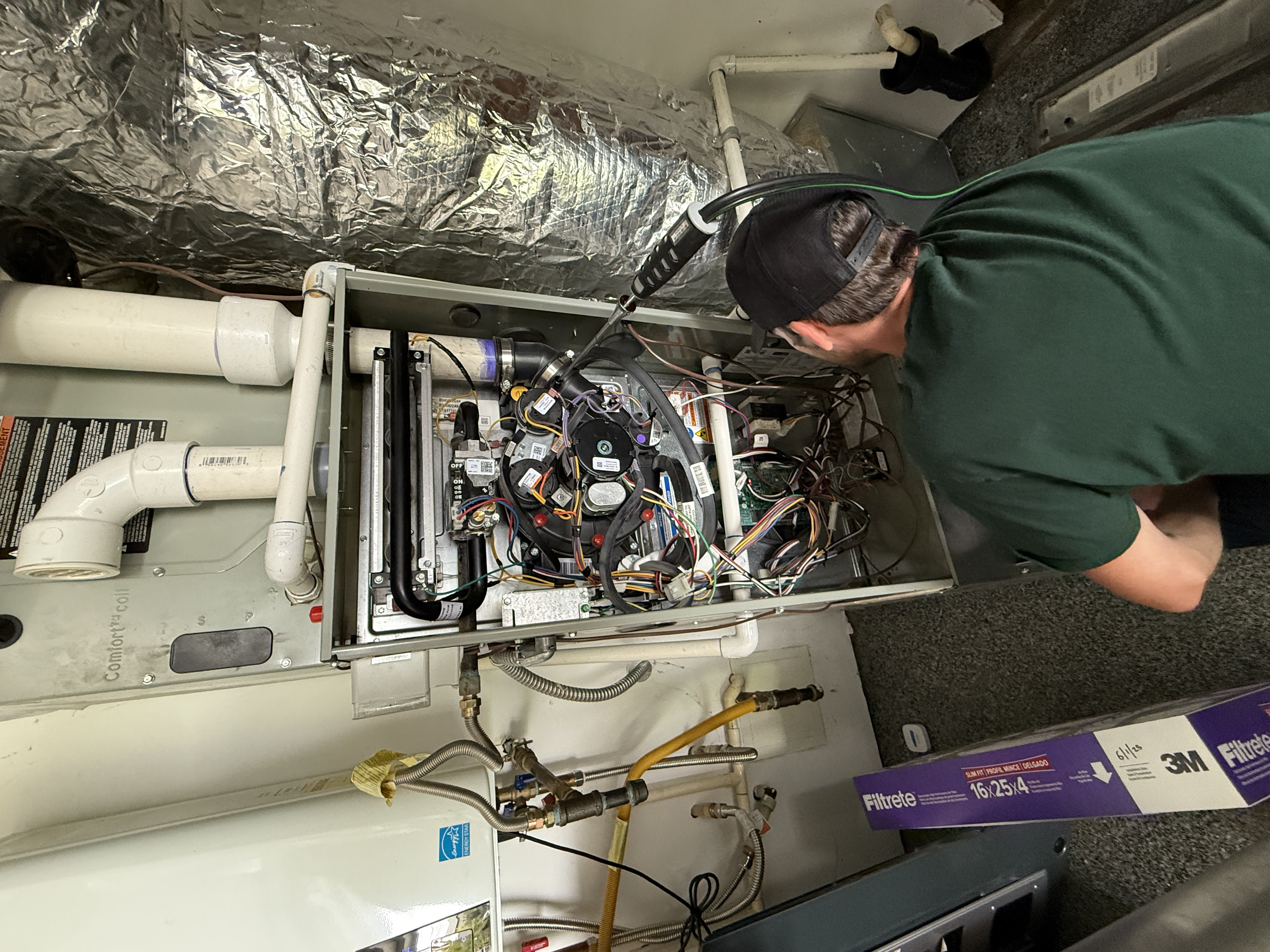
Furnace duct repair addresses damage in the air-distribution system that can leave rooms cold and waste heating energy. Leaks, disconnected sections, and crushed ducts can prevent heated air from reaching the rooms that need it. The right repair starts with an evaluation, because furnace faults and other home conditions can cause similar symptoms.
During Puget Sound’s heating season, a bedroom that stays chilly while the living room warms up is worth investigating. Understanding whether the problem involves the furnace, its ductwork, or the home itself helps you choose work that addresses the cause.
What is furnace duct repair?
Furnace duct repair corrects physical problems in the ducts that circulate air through a forced-air heating system. Depending on the damage, the work may involve securing connections, replacing a damaged section, or correcting support and routing problems that restrict airflow.
The furnace produces heat, while its blower moves air through two connected paths:
- Supply ducts carry heated air from the furnace to rooms.
- Return ducts bring household air back to the heating system to be filtered and heated again.
These supply and return ducts are separate from furnace exhaust venting, chimney flues, and gas piping. They have different purposes and should not be confused during an inspection.
Furnace repair addresses problems within the heating equipment, such as ignition, controls, or blower operation. Ductwork repair addresses how air travels through the home. Some comfort problems involve both.
How does damaged ductwork affect comfort and heating bills?
Duct problems can reduce the amount of useful heat reaching occupied rooms. The effect depends on the type of defect, where the ducts are located, and how the rest of the system operates.
Supply leaks can send heated air to the wrong place
A supply-duct leak allows some heated air to escape before reaching its intended room. If that duct runs through an unheated attic or crawlspace, the air may warm a space outside the home’s heated living area. A disconnected section can interrupt delivery more substantially.
That can leave a bedroom or part of a floor colder than the area around the thermostat. A leak within the heated part of the home can also affect distribution, although its energy impact may differ from a leak into an unconditioned space.
Return leaks can draw unwanted air into the system
Return ducts pull air toward the furnace. A leak in a return duct passing through an unconditioned space can draw in colder air, along with dust or other material from that space. The system then has to condition air that did not come from the intended rooms.
Return-air problems can also affect room-to-room circulation. A room needs an adequate path for air to return to the system; supplying warm air is only part of the process.
Restrictions and insulation damage create different problems
A crushed or sharply kinked flexible duct can restrict airflow even when it is not leaking. Missing or deteriorated insulation allows more heat to pass through the duct surface into colder surroundings.
For example, a bedroom served by a kinked duct through an unheated crawlspace may receive too little warm air. Adding insulation alone would not correct the restricted air path.
These problems can make rooms harder to heat and may increase heating demand or runtime. However, a higher heating bill does not prove that ducts are damaged. Weather, utility rates, thermostat settings, household routines, and equipment condition also affect costs. Review energy usage as well as the dollar total when discussing a change with a professional.
What are the signs that furnace ducts need attention?
Weak airflow, persistent cold rooms, new noises, and visible damage are reasons to request an evaluation. They help describe the problem, but they do not establish the cause on their own.

A cold room may also have drafty windows, insufficient insulation, or heating needs the existing system does not adequately meet. Those possibilities belong in the assessment alongside the ducts.
What causes furnace ductwork damage?
Ductwork can develop problems at its connections, along its air pathway, or in the insulation surrounding it. Common conditions include:
- Loose connections or sections that have separated.
- Seals that have deteriorated at seams and joints.
- Flexible ducts that are crushed, kinked, or allowed to sag because of inadequate support.
- Torn duct material or damaged insulation associated with pests or work around the ducts.
- Insulation that has come loose or deteriorated.
Poor layout or sizing can also limit airflow even when the duct material is intact. A ductwork inspection should distinguish physical damage from a design problem, because sealing a joint cannot correct an undersized air path.
How do duct repair, sealing, insulation, and cleaning differ?
Each service addresses a different condition. A project may combine several of them, but the recommended work should match what the inspection finds.

Repairs and sealing often go together. A separated connection may need to be secured and sealed, while damaged insulation may also need attention. The sequence matters: insulation should not hide a physical defect that still needs correction.
Ballard’s professional duct cleaning is a related service for removing buildup. Cleaning should be recommended based on the condition found, and any physical repair work should be identified separately in the proposed scope.
How can a professional tell whether the problem is the furnace or ductwork?
A useful evaluation considers the heating equipment and the air-distribution system together. The technician should connect the recommendation to evidence rather than assume that a cold room needs a new furnace or duct cleaning.
Depending on the symptoms and access, the assessment may include:
- Reviewing the comfort problem. Which rooms are affected? Did the problem begin suddenly, after work on the home, or gradually?
- Checking basic system operation. Thermostat settings, filter condition, blower performance, and furnace operation can help identify equipment-related causes.
- Inspecting accessible ducts. Connections, supports, restrictions, insulation, and supply and return paths can reveal distribution problems.
- Measuring performance when appropriate. Airflow measurements, pressure checks, or duct leakage testing may help investigate concerns that a visual inspection cannot resolve.
If the findings point to the heating equipment, professional furnace repair can address that part of the problem. For proposed duct work, ask what was found, how the recommended work addresses it, and how airflow or performance will be checked afterward.
Ballard’s routine furnace maintenance includes checks of the filter, thermostat, and air-handling components, depending on the system. Persistent room-to-room differences are a reason to discuss whether a separate duct assessment is needed. Planning maintenance before the heating season also provides an opportunity to raise concerns you noticed the previous winter.
Can damaged ductwork be repaired, or does it need replacement?
Localized damage may allow a targeted repair when the surrounding duct material remains sound. A loose connection or limited support problem does not automatically mean the entire system needs replacement.
A section may need replacement if its material is badly deteriorated, extensively torn, or crushed beyond a practical repair. The decision also depends on access, duct type, and whether the proposed work can restore a secure, properly supported air path.
Age alone is not a replacement rule. Ask the contractor to explain the condition of the affected section and why repair or replacement is appropriate. If poor sizing or layout contributes to the problem, the proposal should address that issue as well.
What affects the cost of furnace duct repair?
Repair costs depend on the confirmed problem and the work required to reach and correct it. Important factors include:
- Extent of damage: one connection versus several damaged sections.
- Accessibility: exposed ducts versus ducts behind finished walls, above ceilings, or in difficult spaces.
- Duct material and fittings: the materials and connections needed for a compatible repair.
- Labor and preparation: access work, removal of damaged material, and restoration where required.
- Related improvements: sealing, insulation, support corrections, or changes to routing.
- Evaluation and verification: the inspections or measurements included before and after the work.
An estimate should describe the affected areas, the proposed work, and any access or restoration responsibilities. Compare proposals with the same scope. A price for cleaning alone is not comparable to a proposal that includes structural duct repairs.
Correcting confirmed defects may improve comfort and reduce avoidable heating losses. The result depends on the home and the problem; a specific reduction in bills or payback period should not be assumed.
What can homeowners safely check before calling?
Basic checks can help you describe the issue and identify simple obstructions. Keep them limited to routine care and observations from safely accessible areas.
- Confirm that the thermostat is set to heat and review its programmed schedule.
- Check an accessible filter and follow the manufacturer’s instructions for replacement and filter type.
- Look for furniture, rugs, or curtains blocking supply registers or return grilles, and clear those obstructions.
- Note which rooms are affected, when the problem occurs, and whether it began after other work in the home.
- From a safe location, note visible gaps, crushed duct sections, or loose insulation without disturbing them.
Leave cutting, reconnecting, sealing, and internal furnace diagnosis to qualified professionals. Avoid difficult crawlspaces, unfamiliar insulation, and any changes to furnace exhaust components. If the basic checks do not explain the problem, an evaluation is the next useful step.
Should ductwork be evaluated before replacing a furnace?
Yes, particularly when uneven heating or weak airflow is driving the replacement decision. A new furnace will still rely on the ducts to move air through the house. Existing leaks, disconnected sections, and restrictions can remain after the equipment changes.
The assessment should consider the current furnace’s condition, the home’s heating needs, and whether the duct system can support the proposed equipment’s airflow. Some homes need duct improvements, some need furnace work, and some need both. Understanding that distinction helps keep the recommendation tied to the actual comfort problem.
Ballard Heating, Cooling, Electric & Plumbing has served Puget Sound since 1993, including Seattle and surrounding communities in King and Snohomish counties.
FAQs
Will duct cleaning fix a leak or disconnected duct?
No. Cleaning removes accumulated material; it does not close an air leak, reconnect a separated section, or restore a crushed duct. If an inspection finds both buildup and physical damage, the proposed work should explain how each condition will be addressed.
Can a furnace run normally while its ducts have problems?
Yes. The furnace may produce heat while a damaged or restricted duct prevents enough warm air from reaching a room. Normal startup does not confirm that the distribution system is working properly.
Do return ducts matter if warm air is coming out of the vents?
Yes. Air needs a path back to the heating equipment. A restricted return path or leaking return duct can affect circulation and comfort even when supply air feels warm. A professional can evaluate how the supply and return sides work together.
Can the same duct problems affect air conditioning?
Yes, if the heating and central air conditioning systems use the same ducts. Leaks, disconnected sections, and restrictions can also interfere with the delivery of cooled air. A duct assessment should account for both modes when they share the distribution system.
Does dust around a vent prove that the ductwork is damaged?
No. Dust on a grille alone does not establish a leak, structural damage, or a need for duct cleaning. Consider it alongside airflow, visible conditions, and other symptoms, then let an inspection determine whether work is needed.
Get clarity on cold rooms and weak airflow
If uneven heating or airflow concerns are affecting your home, contact Ballard at 206-784-8101. Ballard Heating, Cooling, Electric & Plumbing can discuss what you are noticing and help you determine appropriate next steps.
Financing options available
Flexible financing options for home upgrades.